Pioneering
Creative
Excellence
smiedia.com



Not long ago, producing a high-quality video meant booking a studio, hiring a presenter, coordinating a shoot day, editing the footage, and hoping the final cut matched the brief. For many businesses, the resource cost of doing that consistently across multiple markets, languages, and content types made video an aspirational channel rather than a practical one. HeyGen has changed that calculation in a way that deserves attention from anyone who creates or commissions video content for a living.
What HeyGen Actually Does
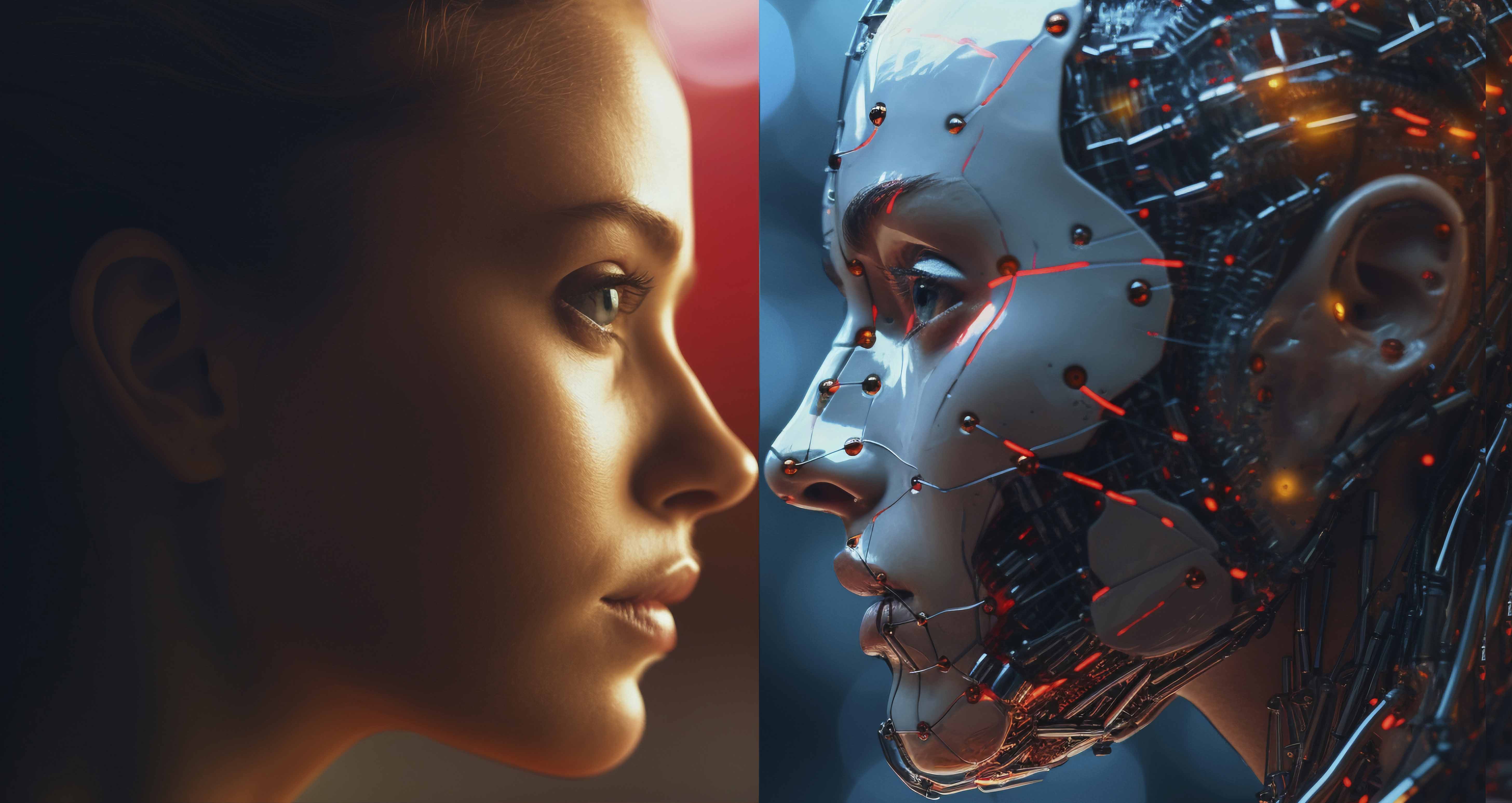
HeyGen is an AI video generation platform that allows you to create studio-quality talking-head videos from text scripts, using either pre-built AI avatars or a custom avatar created from a short video sample of yourself. You write the script, choose the avatar, select the voice, and the platform generates a finished video in minutes. No camera. No studio. No presenter booking. The output is a realistic video of a person delivering your content, with natural lip sync, appropriate gestures, and a professional background. It is not perfect for every use case, but for explainer videos, product walkthroughs, internal training content, and multilingual campaigns, it is genuinely impressive.
Why Brands Are Paying Attention
The use case that has driven HeyGen's growth is multilingual video at scale. A brand can record a single video in English with their spokesperson, then use HeyGen to produce versions in Spanish, French, German, Japanese, and a dozen other languages, with the speaker's lips actually synced to the new language. The voice sounds natural, the visual quality is consistent, and the turnaround is hours rather than weeks. For global brands managing localisation across multiple markets, this represents a fundamental shift in what is economically feasible for their video content strategy.
"The future belongs to those who learn more skills and combine them in creative ways." — Robert Greene
Where It Works Best
HeyGen performs best when the goal is communication rather than cinematic experience. Training videos, product demos, FAQ content, onboarding flows, and educational material are natural fits. The tone is professional and consistent, which is exactly what most of this content requires. Where it is less suited is in brand storytelling that relies on emotional authenticity, raw personality, or the kind of spontaneous human connection that audiences sense even when they cannot articulate why. Knowing the difference between those two categories in your content strategy is the key to using HeyGen effectively rather than awkwardly.
What This Means for Video Production Teams
For studios and production teams, HeyGen does not eliminate the need for skilled video work. It changes where that skill is most valuable. The demand for authentic storytelling, emotionally resonant brand content, and visually distinctive campaigns is not going anywhere. What HeyGen enables is the removal of low-complexity, high-volume video production from the studio's plate, which frees talented teams to focus on the work that genuinely requires human creativity and craft. The studios that will thrive are the ones that position themselves clearly at that higher creative tier rather than competing with what AI can now produce at scale.
"Technology is best when it brings people together." — Matt Mullenweg
HeyGen is not a replacement for great video production. It is a new category of tool that makes video accessible at a scale and cost point that was not previously viable. For brands thinking about how to build a consistent content presence without endlessly scaling their production budget, it is worth understanding in depth. The question is not whether to pay attention. The question is where it fits in your workflow and where it does not.